


Mastering production complexity
through digitalization
Growing requirements in terms of Quality, Traceability, Flexibility and Compliance are deeply transforming industrial environments. Product variability, frequent process changes and increasing pressure on lead times mean that production must constantly adapt without compromising performance.
In this context, a key challenge is emerging on the shopfloor: the ability to manage the complexity related to operators, their skills and their availability.
Managing operator complexity, skills and availability
Shopfloor operations are becoming increasingly demanding. Industrial performance no longer relies solely on equipment or processes, but increasingly on operators themselves; their skills, certifications and real-time availability.
This operational complexity appears at several levels. On one hand, the diversity of products and configurations requires operators to handle a growing variety of tasks. On the other hand, frequent process changes demand continuous adaptability. Finally, regulatory constraints reinforce the need to comply with precise and well-documented standards.
The objective may sound simple: assign the right task to the right operator, at the right time, with the right level of execution.
Behind this requirement lies the balance between production needs and workforce capabilities, with a direct impact on performance and risk control
Skills and authorization management therefore becomes a central lever. It is now essential to ensure that only qualified and certified personnel perform certain operations or use specific equipment. Resource planning alone is no longer sufficient.
This approach helps secure execution and ensures consistent quality, even in complex environments.

Delivering concrete value with digital solutions
In response to this growing complexity, digital solutions play a key role in structuring and securing Operations.
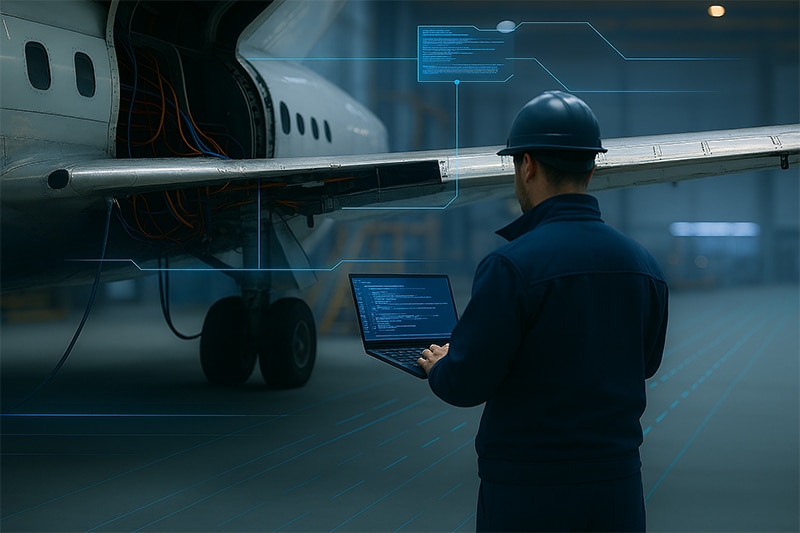
A first lever is the Digitalization of Work Instructions. Paper-based procedures are replaced by dynamic, contextualized digital instructions that guide operators with much greater precision. Directly integrated into production systems, these instructions adapt in real time to the situation, product, workstation, configuration or skill level.
Operators are guided step by step, reducing the risk of errors and improving process standardization. This type of support is particularly valuable in highly variable environments or when onboarding new operators.
At the same time, Digital Tools enable fine management of skills, certifications and authorizations. Each task or piece of equipment can be linked to specific requirements and the system automatically verifies whether the operator is authorized to perform the task. This ensures that only qualified personnel carry out critical operations, strengthening both safety and compliance.
This approach also makes it possible to anticipate needs by identifying skill gaps, planning training and optimizing resource allocation.
It shifts Operations from a reactive mode to a much more proactive one.
Managing operator complexity, skills and availability
Shopfloor operations are becoming increasingly demanding. Industrial performance no longer relies solely on equipment or processes, but increasingly on operators themselves; their skills, certifications and real-time availability.
This operational complexity appears at several levels. On one hand, the diversity of products and configurations requires operators to handle a growing variety of tasks. On the other hand, frequent process changes demand continuous adaptability. Finally, regulatory constraints reinforce the need to comply with precise and well-documented standards.
The objective may sound simple: assign the right task to the right operator, at the right time, with the right level of execution.
Behind this requirement lies the balance between production needs and workforce capabilities, with a direct impact on performance and risk control
Skills and authorization management therefore becomes a central lever. It is now essential to ensure that only qualified and certified personnel perform certain operations or use specific equipment. Resource planning alone is no longer sufficient.
This approach helps secure execution and ensures consistent quality, even in complex environments.
Delivering concrete value with digital solutions
In response to this growing complexity, digital solutions play a key role in structuring and securing Operations.
A first lever is the Digitalization of Work Instructions. Paper-based procedures are replaced by dynamic, contextualized digital instructions that guide operators with much greater precision. Directly integrated into production systems, these instructions adapt in real time to the situation, product, workstation, configuration or skill level.
Operators are guided step by step, reducing the risk of errors and improving process standardization. This type of support is particularly valuable in highly variable environments or when onboarding new operators.
At the same time, Digital Tools enable fine management of skills, certifications and authorizations. Each task or piece of equipment can be linked to specific requirements and the system automatically verifies whether the operator is authorized to perform the task. This ensures that only qualified personnel carry out critical operations, strengthening both safety and compliance.
This approach also makes it possible to anticipate needs by identifying skill gaps, planning training and optimizing resource allocation.
It shifts Operations from a reactive mode to a much more proactive one.
Building on a mes / connected worker foundation
To deploy these capabilities at scale, it is essential to rely on a robust architecture built around a Manufacturing Execution System (MES) and Connected Worker solutions.
These systems form the backbone of Operational Performance on the shopfloor. They connect operators, equipment and data, while embedding work instructions, workflows and skill management rules directly into daily execution.
With this setup, companies can secure execution and improve reliability. Quality becomes more consistent, deviations are reduced and processes become more robust.
It also drives Sustainable Performance. Real-time data provides clear visibility into operations, supports performance analysis and helps identify improvement opportunities quickly. Organizations become more responsive, more flexible and better equipped to manage complexity.
Towards controlled and sustainable execution
Managing operational complexity requires a stronger focus on the human factor, supported by the right digital tools.
By structuring execution around skills, authorizations and contextualized instructions, Manufacturers can secure their Operations while improving efficiency.
MES and Connected Worker solutions provide the framework needed to embed these practices over time.
They transform operator management into a true performance lever, supporting more reliable, more consistent production that can continuously adapt.